The Yak is Shaved
In engineering, yak shaving is when you set out to do one thing, and realize you first have to fix the tool, which needs another tool, which needs another… until you've built the whole stack just to get back to what you wanted to do.
After 11 years building tools for AI research, I’m announcing my departure from Lightning AI. The company has appointed an interim CEO.
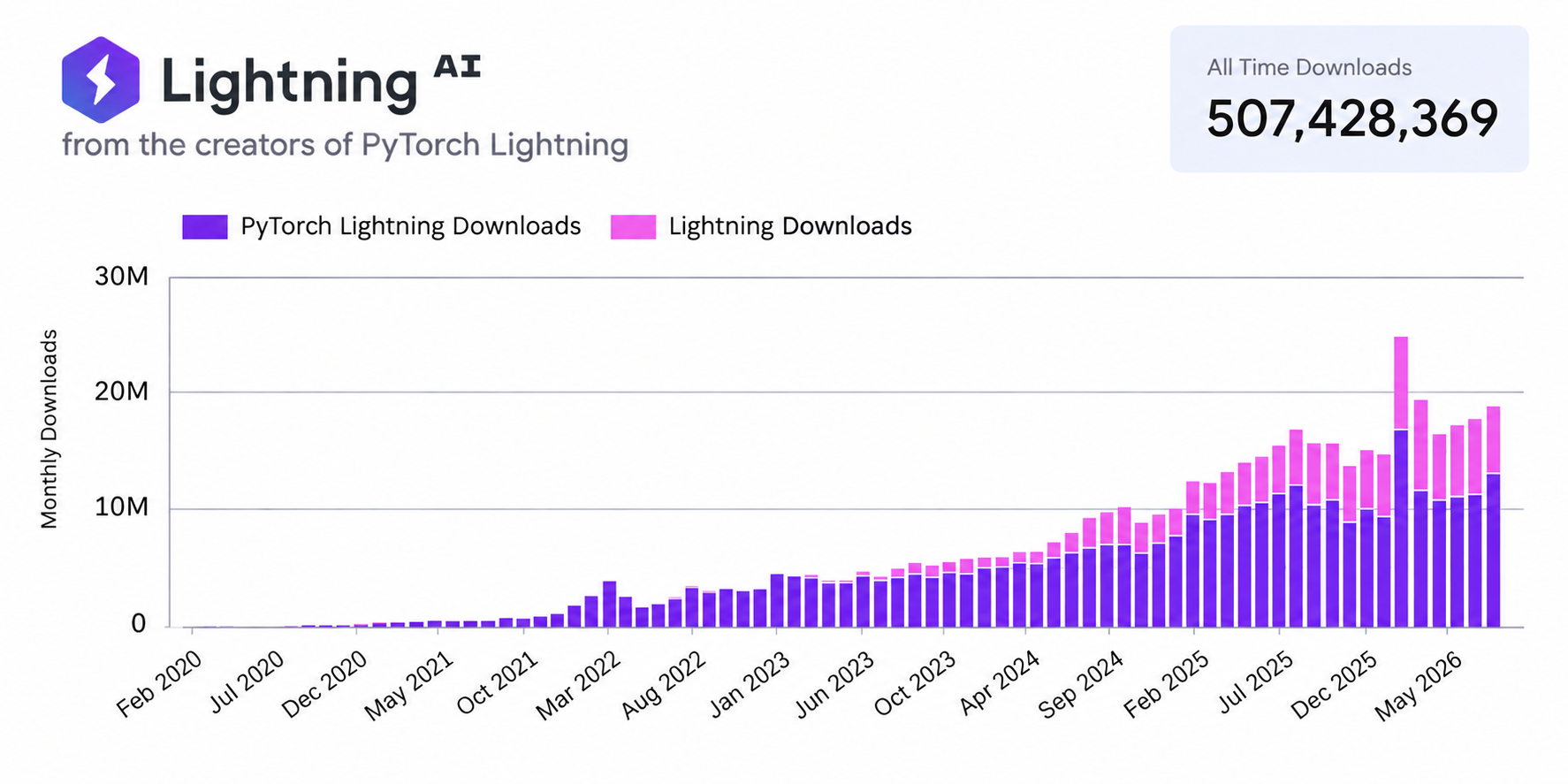
Lightning started in 2015 as an internal research library I built for myself. It became PyTorch Lightning in 2019, Lightning AI in 2022, and today it’s a full-stack AI cloud with over 40,000 GPUs across 9 data centers.
Founder departures are usually seen as dramatic. I hate to burst the bubble, but this story is simple.
The yak shave
I was a research intern at Facebook AI Research, focused on training world models. On day one, I couldn’t just process terabytes of video and train on 10,000 GPUs. That takes a dedicated team behind you, and as an intern, I didn’t have one. So I built the tools to give a solo researcher that kind of scale.
That turned into a seven-year yak shave, and the best one of my life. As a military veteran who learned to code later in life, my goal was to make sure people like me never had to learn everything I had to learn just to build meaningful AI products. What started out as tools for people like me turned into a platform supporting more than 400k developers and hundreds of enterprises.
I’m proud of the team, because we’ve now solved most of the problems researchers face in scaling models and building products. We built training frameworks like PyTorch Lightning, then cloud GPU developer environments with Studios, and now datacenter racks with InfiniBand and high-performance storage. Along the way we democratized multi-GPU training and built a cloud that non-experts and new engineers can actually use.
Why now
I believe Lightning will be one of the AI-native clouds that powers the next generation of AI builders. Once it was clear the future was full-stack, software and compute together, I led the $2.5B merger with Voltage Park to get us there. The next phase is about GPU procurement, data-center capacity, gigawatts of power and serious financing. That’s a craft of its own, and it deserves leaders who love it. What I love is creating from nothing and changing the way the world works.
Leaving something that’s working, growing, and full of people you love is the hardest thing I’ve done as a founder. But at Lightning we live and die by one core value: company > team > self. It cuts both ways. The next phase needs a different kind of leader, and the company comes first.
Lightning is in good hands
For the last 9 months since the merger, I’ve focused on getting our integration live, revamping our infra, customer support, and building our executive bench. What I’m most excited about is Lightning 2.0, which now runs on our own compute, including a brand-new fleet of 25,000 H200s that replaced our H100s. That new business line is growing faster than anything we've ever seen. It’s crazy what happens when Lightning finally has GPUs 🥳.
For our customers: nothing changes. Same team, same platform, same support, and a roadmap that’s only accelerating.
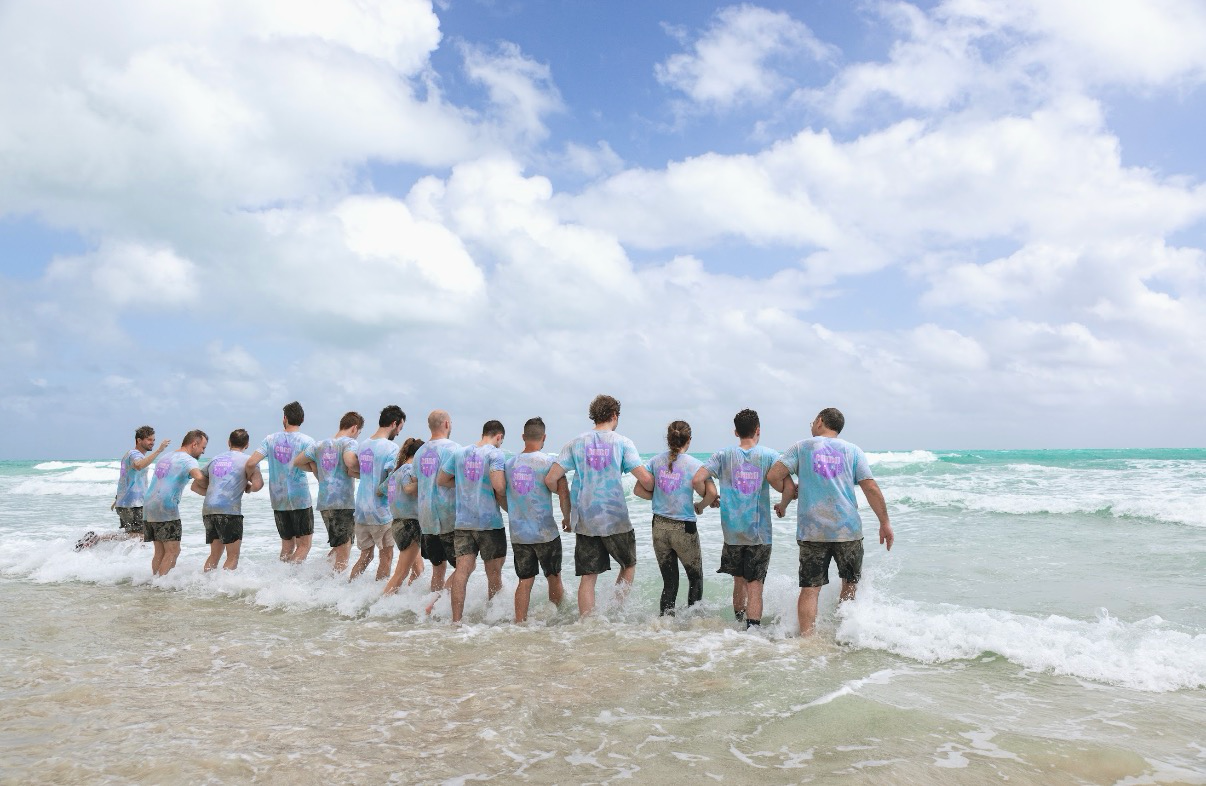
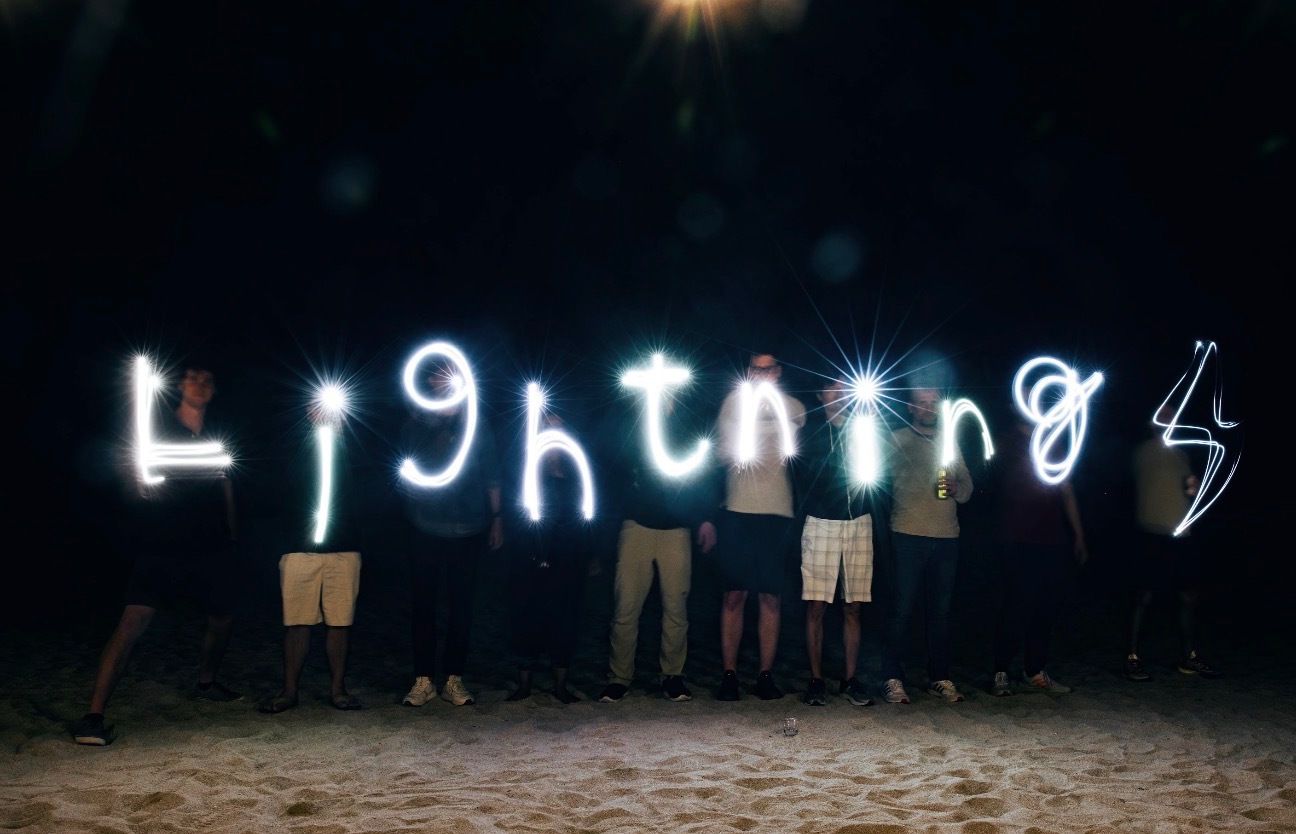
I’ve made lifelong friends here, and I’m proud of the culture we built. It’s builder-dense, with zero politics, truly team-oriented and always mission-first. It’s the closest thing I know to a special operations team outside the military: full-stack builders who help each other and push through any challenge, no matter what. I couldn’t be more excited to watch the team keep growing without me ⚡️.
What’s next
AI has transformed how we build software, but it’s barely touched most of the economy. I believe the next wave isn’t about better models or more AI tools. It’s about using them to reinvent how entire industries work.
Now I get to use all the tools we built to help make that happen. I’m going back to what I love: operating in messy, unknown environments and building new products from scratch that help companies and individuals get real economic value from AI.
Through Oddbits AI, I’ll partner with CEOs and leaders outside Silicon Valley to build vertical applications that solve real problems in their industries. I’ve spent over a decade building tools. Now I want to go deep on problems alongside domain experts. The result will likely be new companies, each built to go after one specific problem in its industry.
I’m also angel investing, and I’ll be writing a lot more here. I spent a decade open-sourcing AI tools; now I want to open-source what I’ve learned building companies, from PyTorch Lightning to a $2.5B neocloud, for the next generation of founders.
Thank you
Lightning was forged in seven of the most chaotic years in company building. It was born one month before Covid, then came AI being “discovered” in 2022, the SVB collapse, and a field that changes every week.
The Lightning team
I won’t try to name everyone, but Lightning exists because people gave it their all and helped transform the business, from building world class tooling to running large-scale data centers. Luis, Lexie, Noha, Luca, Priya, Neil, JP, Ethan, Thomas C, Justus, Karolis, Tom V, Jirka, Eden, Adrian, Carlos, Andy, Dmitry, Nikita, Rob, Laura, Vasanth, Natalie, Arezou, Nick, Dave, and countless others. Lightning and PyTorch Lightning wouldn’t be here without you and the community. You’ve all helped me grow as a leader, and I’m sure I’ll work with many of you again.
Thank you.
If I can leave you all with one thing: never lose sight of the mission. I am not Lightning. You are.
PyTorch Lightning community
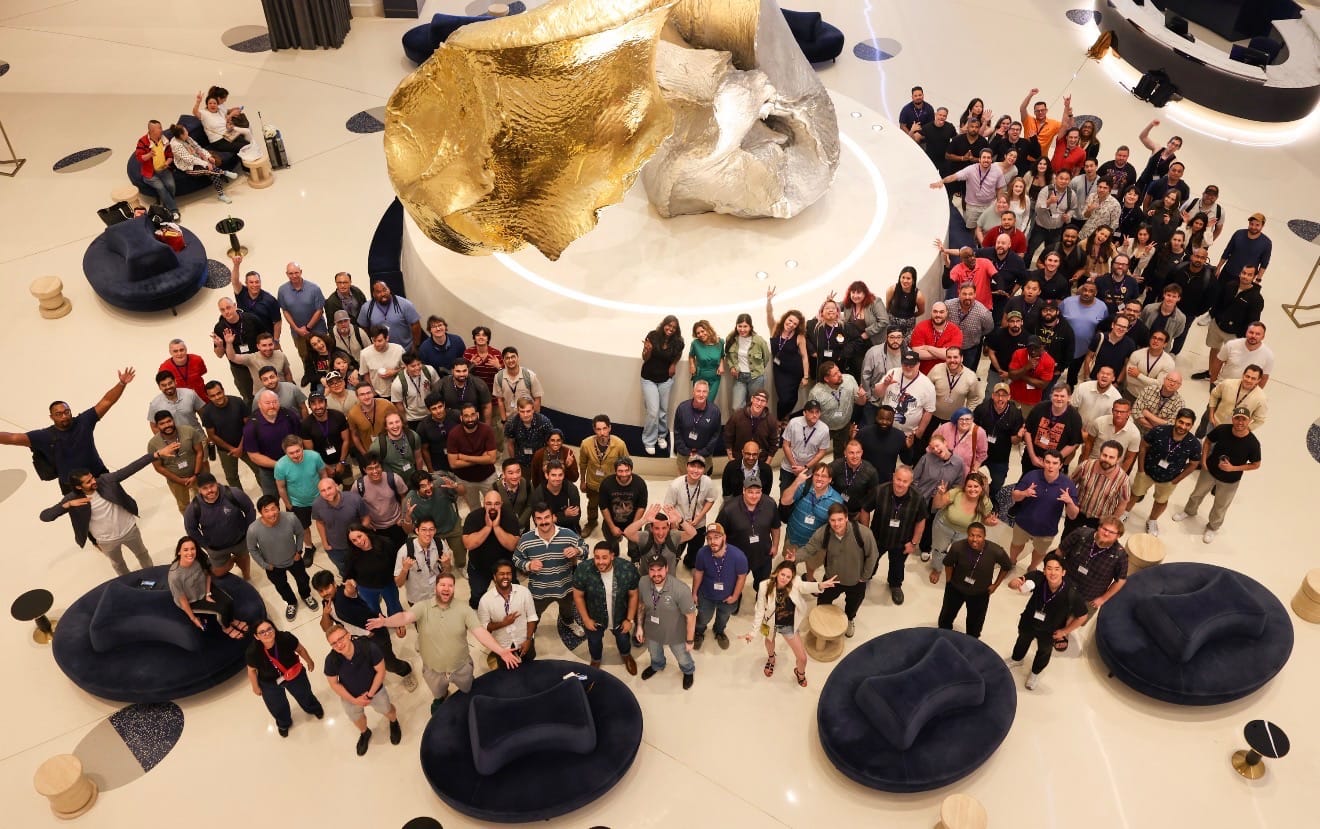
You believed the future of AI was open source back in 2019, before it was obvious. Together, we helped researchers and developers train models that shaped the industry, from Stable Diffusion to AI powering products at Fortune 500 companies. Every contributor, maintainer, and person who answered a question on Discord or GitHub helped democratize model development and keep AI open. Thank you ⚡️
Advisors
My PhD advisors, Kyunghyun Cho and Yann LeCun, taught me everything I know about AI. Bob Dorf taught me to fundraise. Carlos Delatorre taught me “the playbook” and helped turn us into a sales machine. And to the countless angels, advisors, and friends at NVIDIA, NYU, and FAIR who helped along the way: thank you.
Investors
I was fortunate to have world-class investors at every stage. Kevin Zhang at Bain, Sarah Cannon and Bryan Offutt (formerly Index) and Clara Lindh (formerly firstminute) wrote the first checks and taught me company building. Caryn Marooney and Amit Mukherjee at Coatue (Series B) taught me financial rigor 😅. Elena at JP Morgan, Jon and the Cisco team, and the NVIDIA team backed us early in our journey.
Onwards
To every builder reading this, inside or outside Silicon Valley: the tools are finally good enough. Stop waiting for permission.
The yak is shaved. Time to build ⚡️
w